




Introduction
Few mechanics in Stardew Valley have had as much influence on player behavior as the Community Center. On the surface, it appears to be a wholesome restoration project designed to reconnect Pelican Town and encourage exploration. However, among experienced players, the Community Center often becomes something entirely different: a race against time.
The specific issue explored in this article is the growing tendency for players to optimize Community Center completion as early as possible, often within the first year. While optimization can be rewarding, it can also transform a relaxing farming simulator into a checklist-driven experience. This shift affects decision-making, farm design, social interactions, resource management, and even the emotional tone of the game itself.
By examining how Community Center optimization develops over time, we can better understand why so many players unknowingly replace freedom with efficiency and how that changes the core experience of Stardew Valley.
The Original Purpose of the Community Center
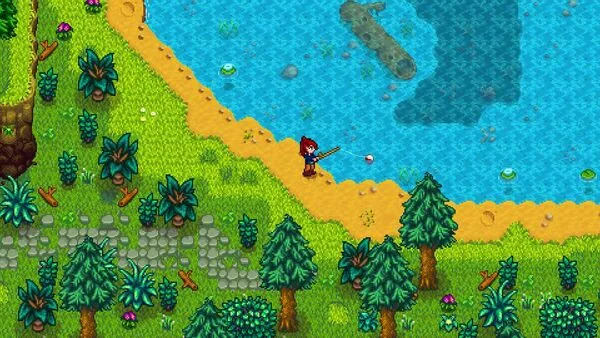
When players first arrive in Pelican Town, the Community Center appears abandoned and forgotten. The building symbolizes the decline of local culture and community spirit. Through bundles, players slowly restore rooms and unlock benefits that improve life across the valley.
The system encourages natural exploration. A player might discover seasonal crops, fishing spots, mining resources, or artisan goods simply because a bundle requires them. Rather than acting as a strict objective, the Community Center was designed to guide curiosity.
Why the Design Works
- Introduces every major game system
- Rewards exploration instead of grinding
- Creates long-term goals
- Connects gameplay with narrative themes
In its purest form, the Community Center teaches players to enjoy the valley at their own pace.
The Emergence of the Year-One Completion Culture
As the game's popularity grew, guides, videos, and challenge runs began promoting Year-One Community Center completion as a major achievement. What started as an optional challenge eventually became a common expectation among experienced players.
New players searching for beginner advice frequently encounter optimization guides before developing their own playstyle. Instead of learning through experimentation, many begin their farms with a predetermined schedule designed around bundle requirements.
The Influence of Online Communities
Content creators often showcase highly efficient routes because efficiency is entertaining to watch. A perfectly optimized farm creates a compelling narrative of mastery and planning. Unfortunately, viewers may mistake these advanced strategies for the "correct" way to play.
This cultural shift subtly changes player expectations before the game even begins.
Spring Year One Becomes a Race Against Time
The first spring is where optimization pressure becomes most visible. Rather than exploring freely, players often prioritize specific crops, fishing targets, and forage items needed for future bundles.
Missing a seasonal item can delay Community Center completion by an entire year. Because of this, many players experience anxiety about seemingly small mistakes.
Common Spring Priorities
- Parsnips for crop bundles
- Spring forage collection
- Early fishing for rare catches
- Mine progression before summer
- Saving gold for strawberries
Instead of enjoying discovery, players often spend Spring calculating risks and opportunities.
Seasonal Fear and the Psychology of Missing Out
One overlooked consequence of Community Center optimization is seasonal fear. Every season contains items that may not reappear for many in-game months. This creates a strong fear of missing out.
The emotional impact is significant. Players may spend entire seasons worrying about what they have forgotten rather than appreciating what they are accomplishing.
Examples of Seasonal Pressure
A missed fish during a specific weather condition can delay completion. Forgetting a crop can require waiting until the following year. Missing a festival opportunity can affect carefully planned schedules.
What was intended as a relaxed seasonal rhythm gradually becomes a countdown clock.
Farm Design Starts Serving Bundles Instead of Creativity
One of Stardew Valley's greatest strengths is player expression through farm design. Every farm can reflect a unique personality, aesthetic preference, or role-playing concept.
However, aggressive Community Center optimization often pushes players toward practical layouts instead of creative ones. Space is allocated according to bundle efficiency rather than personal vision.
The Efficiency Trap
Players frequently prioritize:
- Maximum crop output
- Animal placement for bundle products
- Resource production chains
- Profit-oriented structures
- Fast travel routes
As a result, farms can begin to resemble production facilities rather than homes.
Social Relationships Become Secondary Objectives
Stardew Valley contains some of the most beloved character interactions in farming simulation games. Each villager has routines, preferences, struggles, and personal stories.
Yet players focused on Community Center completion frequently delay relationship-building. Gifts, conversations, and events become secondary to bundle progress.
The Hidden Cost
Many emotional moments in the game emerge from friendship events. These scenes reveal the humanity of Pelican Town and deepen the player's connection to the world.
When optimization dominates priorities, players may unlock infrastructure faster but experience less of what makes the town memorable.
Commonly Delayed Activities
- Daily conversations
- Festival participation
- Heart event exploration
- Gift planning
- Role-playing interactions
The Traveling Cart Changes Strategic Behavior
The Traveling Cart introduces an interesting layer of Community Center optimization. Because it can sell rare bundle items, many players treat it as a critical component of Year-One completion.
Checking the cart every Friday and Sunday becomes a routine. While this creates strategic opportunities, it also alters how players perceive progress.
Luck Versus Planning
A single red cabbage purchase can save an entire year of waiting. Consequently, players often become highly dependent on random inventory generation.
This creates a strange contradiction. Players pursue perfect efficiency while simultaneously relying on unpredictable luck.
The result is a mixture of control and uncertainty that can either feel exciting or frustrating depending on the outcome.
Financial Decisions Become Narrower Over Time
Without optimization goals, players often spend money according to personal preference. Some focus on animals, others on crops, decoration, fishing, or mining.
Community Center optimization changes these choices by assigning immediate value to specific purchases. Investments are evaluated according to bundle progress rather than enjoyment.
Decision-Making Under Optimization
- Buy animals only when needed
- Prioritize required crops
- Delay aesthetic upgrades
- Save resources for future bundles
- Avoid experimental spending
This approach improves efficiency but reduces spontaneity, which is often one of the game's greatest pleasures.
Completion Day and the Unexpected Emotional Void
Many players spend dozens of hours working toward Community Center restoration. The objective dominates planning across multiple seasons and influences nearly every decision.
When the final bundle is completed, players often experience a surprising emotional reaction. Instead of satisfaction alone, some feel a sense of emptiness.
Why This Happens
The journey provided structure. Every day had a purpose tied to future completion. Once the goal disappears, players must redefine what they want from the game.
Those who optimized heavily sometimes realize they rushed through content they would otherwise have enjoyed more slowly.
The Community Center's restoration can therefore mark both a victory and the end of a particular style of play.
Finding a Balance Between Optimization and Enjoyment
The solution is not abandoning optimization entirely. Planning and efficiency can be enjoyable forms of gameplay. The problem emerges when optimization replaces personal enjoyment rather than supporting it.
The healthiest approach is often a balance between structure and freedom. Players can pursue Community Center goals while remaining open to unexpected experiences.
Practical Ways to Maintain Balance
- Accept occasional missed opportunities
- Spend time decorating the farm
- Prioritize favorite villagers
- Experiment with unconventional layouts
- Allow personal goals to coexist with bundles
- View Year-One completion as optional
A Different Perspective
The Community Center does not need to be completed as quickly as possible. Its greatest strength is how it encourages exploration across multiple years. When approached with flexibility, it becomes a framework for discovery rather than a source of pressure.
Players who allow themselves to deviate from perfect efficiency often discover stories, routines, and memorable moments that no optimization guide can provide.
Conclusion
The Community Center is one of Stardew Valley's most influential systems, but its impact extends far beyond bundle rewards. The rise of Year-One completion culture has transformed how many players approach the game, turning exploration into planning, creativity into efficiency, and relaxation into optimization. While strategic play can be deeply satisfying, excessive focus on perfect completion can unintentionally diminish some of the game's most meaningful experiences.
Ultimately, Stardew Valley thrives because it offers freedom. The Community Center works best not as a deadline but as a gentle guide through Pelican Town's many systems. By balancing efficiency with curiosity, players can enjoy both the satisfaction of progress and the charm that has made Stardew Valley one of the most beloved farming games ever created.